Artificial intelligence is becoming part of everyday business operations.
Employees use AI for writing, research, programming, analysis and customer communication.
Businesses are integrating AI into applications and workflows.
But there is another question that deserves equal attention:
What happens to your business data when AI becomes part of your workflow?
The new AI security problem
Traditional cybersecurity focused heavily on protecting computers, networks, applications and user accounts.
AI introduces additional considerations.
Businesses now need to think about:
- What information can an AI system access?
- Which employees can use it?
- Which systems can an AI agent interact with?
- Can confidential information be submitted to external AI services?
- How are AI actions monitored?
- What happens if an AI system receives malicious instructions?
Gartner's 2026 cybersecurity outlook specifically highlights agentic AI oversight and the need to adapt identity and access management for AI agents.
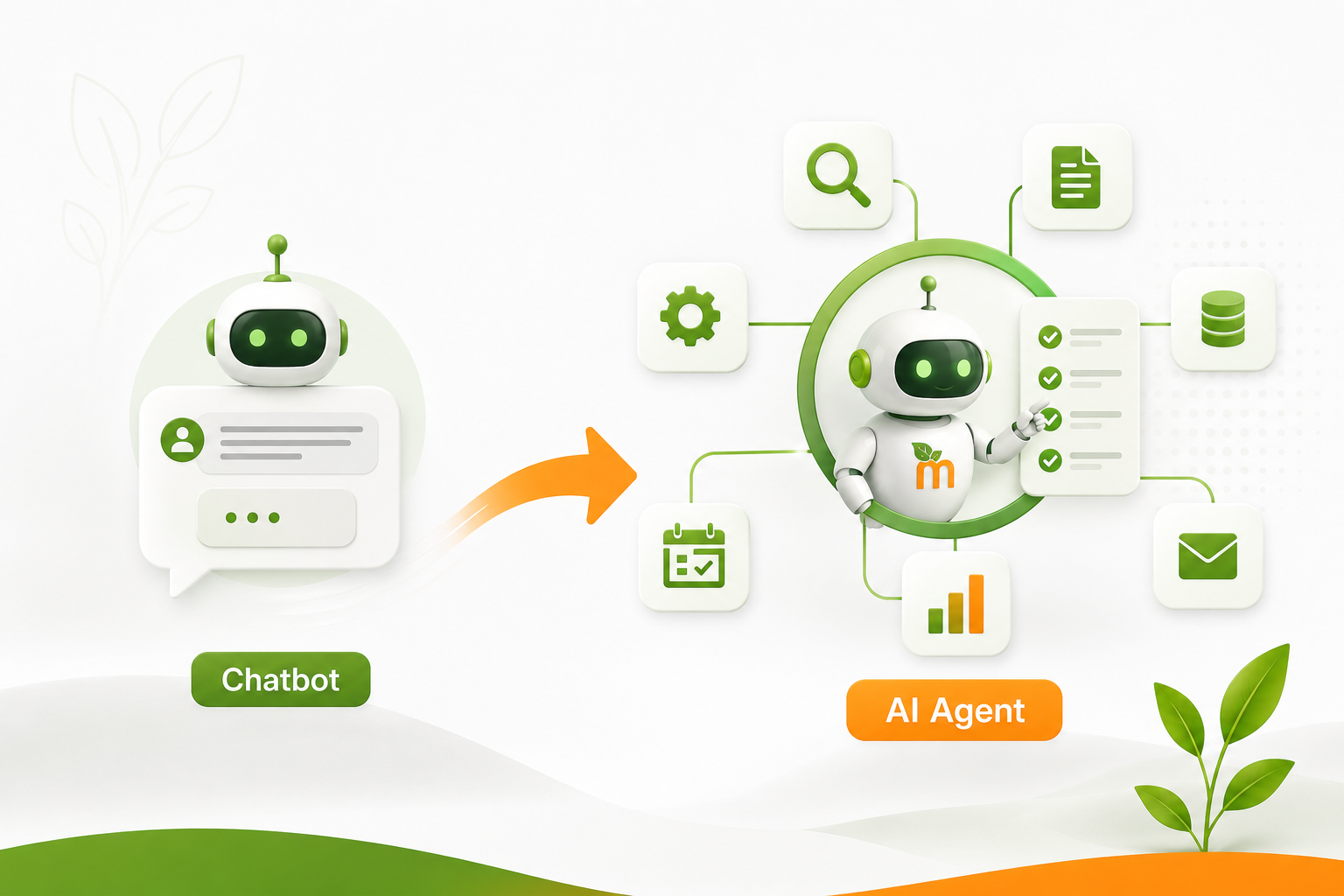
AI agents need identities too
Imagine an AI agent that can access:
- Customer records
- Internal documents
- Business dashboards
- Financial systems
Giving that agent unrestricted access would create unnecessary risk.
Instead, businesses should think about least-privilege access.
The AI should only have access to what it actually needs.
Employees can create risks unintentionally
Another major issue is unauthorized AI usage.
Employees may copy business information into public AI tools simply because it is convenient.
Gartner reported that more than half of surveyed employees used personal GenAI accounts for work purposes, while some acknowledged entering sensitive information into unapproved tools.
This means cybersecurity is no longer only an IT department problem.
It is becoming a business process and employee behavior issue.
What businesses should do
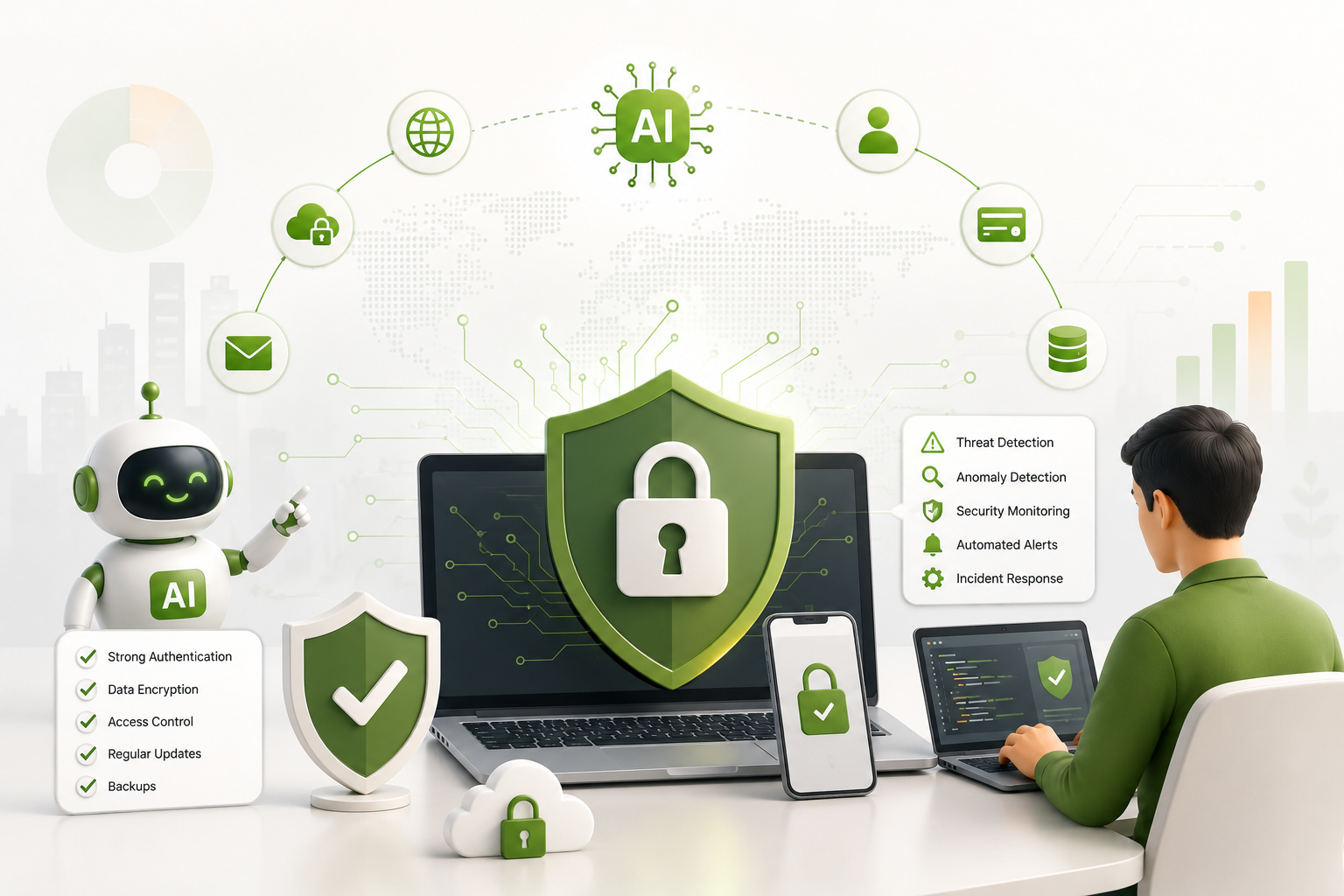
A practical AI security strategy can start with five areas.
1. Know what AI tools are being used
You cannot protect what you cannot see.
2. Define what information can be shared
Sensitive customer, financial and confidential information should receive appropriate protection.
3. Control access
AI systems should only access the systems and information necessary for their assigned tasks.
4. Monitor activity
Businesses should be able to understand what important automated systems are doing.
5. Keep humans involved in important decisions
High-impact actions should have appropriate approval and oversight.
Security should not stop innovation
The answer is not to prohibit AI.
Businesses that completely avoid AI may fall behind competitors.
Instead, the goal should be:
Use AI—but build the right controls around it.
At Maanjari Technology, we believe digital transformation should balance innovation, usability and responsible technology practices.
Whether you are developing a custom application, business dashboard, website or mobile application, security should be considered from the beginning—not after something goes wrong.